How to Buy a Used Snowmobile Without Getting Stuck With a Lemon
A practical checklist for buying a used snowmobile: what to ask before you drive out, how to check the track, suspension and engine, and the paperwork that matters.
By Orbispin··7 min read
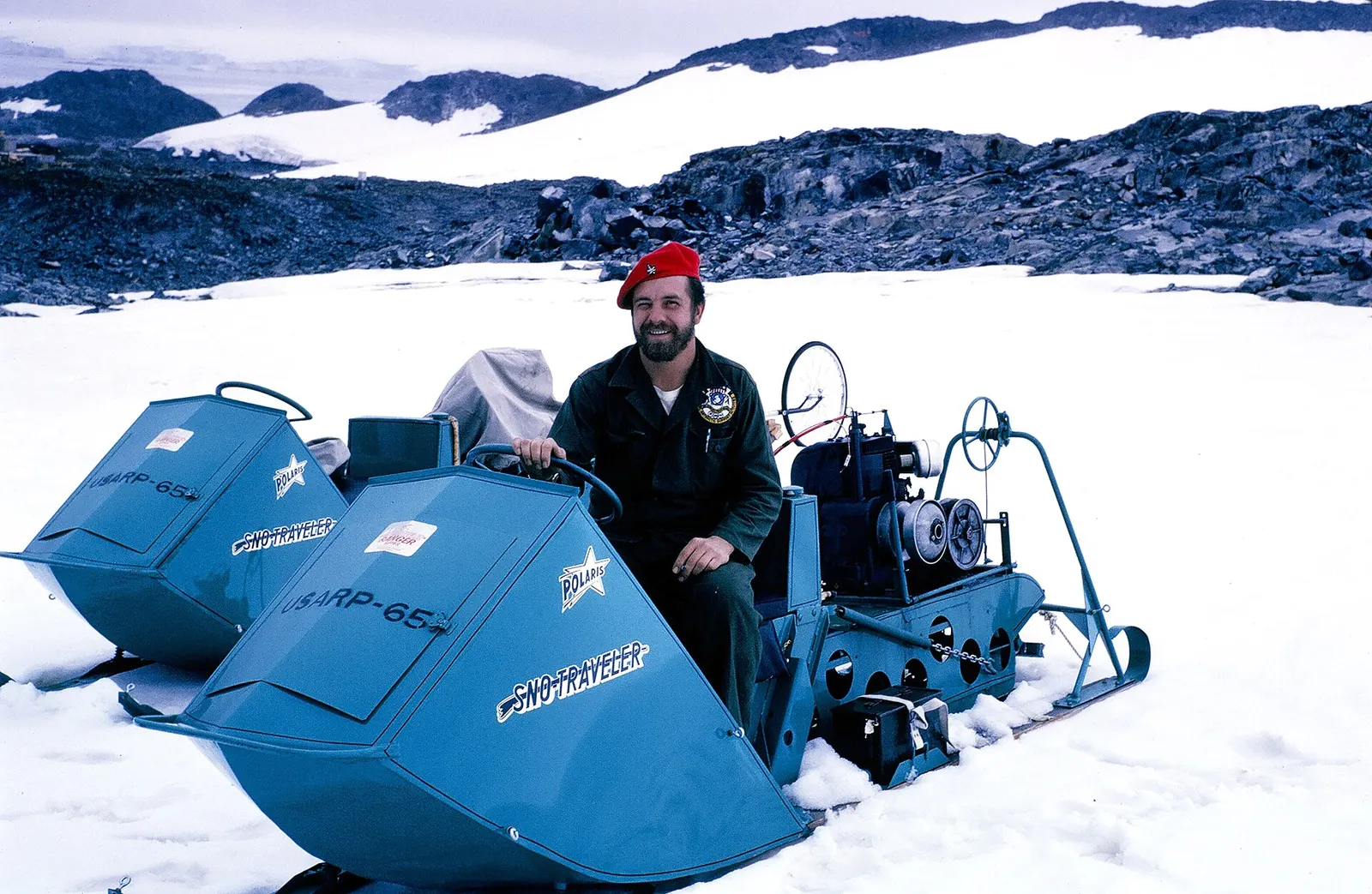
The first good snowfall does something strange to the used snowmobile market. Sleds that sat in garages all summer with a "for sale" sign taped to the windshield suddenly get calls, prices firm up, and buyers start making decisions in a hurry. That's exactly when people bring home a machine with a tired engine or a bent front end.
Late November is a reasonable time to shop, as long as you slow down. Most of what you need to know about a used sled can be checked in a driveway in half an hour, with a flashlight, a rag and a little patience.
Before you drive out to look
A few phone questions will save you a lot of wasted Saturday mornings. Ask the seller how many miles or hours are on it, whether it's a two-stroke or four-stroke, when the belt and the slides (the plastic wear strips under the track, often called hyfax) were last replaced, and whether it has ever been rolled, sunk in water or hit something hard.
Ask why they're selling. "Bought a newer one" and "kids grew out of it" are ordinary answers. A long pause is also an answer.
Then ask the one that matters most: is the paperwork in the seller's name? Registration and title rules for snowmobiles differ a lot between states and provinces. Some places issue titles, some only issue registrations, and trail permits are usually a separate thing again. Check your own state or provincial rules before you buy, so you know what document you need to walk away with.
Finally, ask them not to start it before you arrive. You want to see a cold start. A sled that's been warmed up "to save you time" can hide hard starting, smoke and some noises that only show up cold.
What to bring
- A good flashlight (the important parts are underneath and dark)
- Rags or paper towels, and some cardboard to kneel on
- A compression gauge, or a friend who owns one and knows how to use it
- Your phone, to photograph the VIN, the registration and anything that worries you
- A tape measure if you care about track length or need it to fit a specific trailer
Start at the front: skis, spindles and suspension
Front-end damage is the thing that turns a fair price into a bad deal. When a sled hits a tree, a rock or a frozen snowbank head-on, the force travels back through the skis into the spindles and A-arms and into the frame around them. J.D. Power's used snowmobile checklist specifically points to that area between the shocks as where hard frontal impacts tend to show up.
Stand in front of the machine and look at the skis. They should point in the same direction with the handlebars straight. If the bars are crooked when the skis are straight, something is bent. Look at the A-arms for kinks, fresh welds or paint that doesn't match. Grab each ski and try to rock it; a little play is normal on an older sled, a clunk isn't.
Flip your attention to the carbide runners under the skis. Worn carbides are cheap to replace, but they tell you how much the sled was ridden on pavement and bare ground.
The track and rear suspension
Tip the sled on its side (with the seller's help and on cardboard) or lift the rear onto a stand so you can see the whole track. Walk it around by hand.
You're looking for torn or missing lugs, cuts, exposed rods, and places where the rubber has delaminated. If the track is studded, check for torn holes around the studs. Look at the slides too. If they're worn down to the metal, the rails can get damaged, and that repair isn't cheap.
Spin the idler wheels (the bogie wheels on the rear suspension). They should turn smoothly and quietly. Gritty or wobbly wheels mean bearings are on their way out. Look at the shocks for oil weeping down the body.
The engine and clutches
Do this part with the engine cold, and leave starting it for last. J.D. Power suggests rocking the clutch to feel for bearing play and lifting and moving the engine to check whether the motor mounts are in decent shape.
Pull the belt cover. Look at the drive belt for glazing, cracks, chunks missing from the edges or fraying cords. A burned-looking belt can mean the clutches are out of adjustment, which is worth knowing. The clutch sheaves should be clean, without deep grooves or blue heat marks.
Ask to do a compression test, especially on a two-stroke. It takes a few minutes and tells you more about engine health than any story the seller can give you. As a general rule, you want each cylinder reading close to the others and in the range the manufacturer specifies; a cylinder that's noticeably lower is a warning sign. J.D. Power's advice here is blunt: if the seller won't let you test compression, walk away. I'd agree.
While the hood's open, look for oil residue around the engine, chewed wiring (mice love sleds stored in barns), and nests of dog food or insulation in the airbox. A shop rebuild on a mouse-damaged wiring harness is a deeply annoying bill.
The cold start and what you can test without snow
Now start it. A healthy sled should fire up without a long fight, and settle into a steady idle after warming up. Some smoke at first from a two-stroke is normal; heavy blue smoke that doesn't clear, or white smoke with a sweet smell, isn't.
Turn on the headlight and brake light. Check the hand warmers and thumb warmers if it has them. Test the tether or safety key and the kill switch, and make sure the engine actually shuts off. If the sled has reverse, try it.
Let it run for a few minutes and then look underneath again for drips. Without snow you can't really ride it, and running a track on bare ground or grass can overheat the slides and the engine, so don't let anyone talk you into a lap around the yard. If there's snow on the ground, a short ride is the best test you can get: listen for clutch slipping, feel for how it pulls under throttle, and notice whether it tracks straight.
Paperwork and the VIN
Find the VIN, usually stamped on the tunnel or frame, and compare it to the registration or title. If they don't match, or the number looks scratched or ground off, stop there. Make sure the name on the paperwork matches the seller's ID.
Write a simple bill of sale with the date, price, VIN, make, model and year, and both names and signatures. Keep a copy each. Then check with your state or provincial agency about how to transfer registration, whether you need a trail permit for the trails you'll ride, and whether a safety course is required for younger riders where you live. Those rules vary, and getting stopped on a trail without the right sticker is a dumb way to lose a weekend.
Price, trailers and the sale itself
Compare the asking price to similar sleds of the same model and year in your region, not the national average. A clean sled with a new belt and good slides is worth more than an identical one that needs both, and a few hundred dollars of parts is a fair thing to negotiate over.
Think about the trailer, too. Many used sleds come with one, which is handy, but check its tires, lights, bearings and paperwork the same way you'd check the sled. A trailer with no title can be its own small headache.
Meet in daylight, bring a friend if you can, and pay in a way that leaves a record. If the seller won't let you see the sled at the address where it's registered, that's worth asking about.
Finding a sled (or hauling one) on Orbispin
Orbispin is a free local marketplace for the US and Canada, so you can look at sleds near you and go see them in person, which is the only sensible way to buy one. Snowmobiles, ATVs, trailers and other recreational machines are in Other vehicles. If you need something to tow it with, browse Trucks & vans and SUVs, or start from the full Vehicles section.
Selling your old sled to make room for a new one? Post it with clear photos of the track, belt and front end, and put the service history in the description. You'll get fewer tire-kickers and better questions.