How to Price and Sell Used Furniture Locally: A Practical Guide
Price used furniture by checking local comparable listings, take photos that sell, write honest listings, and handle pickups safely. A step-by-step guide for sellers.
By Orbispin··7 min read
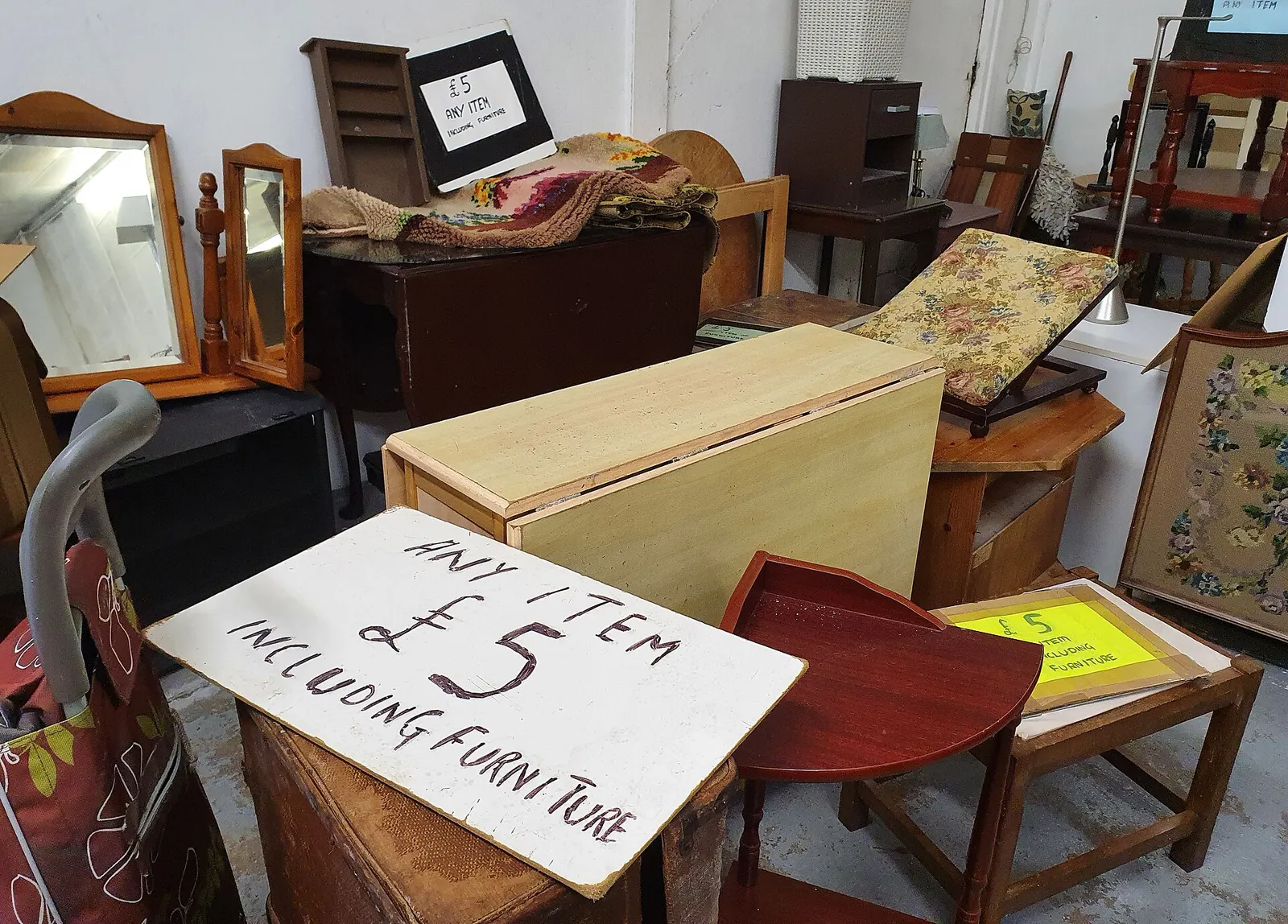
That dresser in the spare room, the sofa that doesn't fit your new place, the dining set nobody sits at anymore: used furniture is one of the easiest things to sell locally and one of the easiest to get wrong. If you price it too high, it sits for weeks. If you price it too low, it's gone in an hour and you wonder how much you gave away. This guide walks you through setting a fair price, writing a listing that gets replies, and handling the sale and pickup without stress.
Start with an honest look at what you have
Before you think about price, figure out what you're actually selling. Buyers ask the same questions every time, so answer them now.
- What is it? Note the brand, the model or collection name if you know it, and the material. Solid wood, veneer, particleboard, metal and upholstered pieces all sell differently.
- How big is it? Measure width, depth and height. For sofas, also measure seat height and, if you can, the narrowest point the buyer will have to carry it through.
- What condition is it in? Walk around it in good light. Look for scratches, water rings, wobbly legs, sticky drawers, pet hair, stains, sagging cushions and smoke or pet odors.
- Does it come apart? Pieces that disassemble (bed frames, some tables, sectionals) are easier to sell because more people can move them.
A simple condition scale works well in listings: like new, good (light wear, fully functional), fair (visible wear or a minor repair needed) and project piece (needs real work). Pick the honest one. Buyers who feel misled tend to back out at pickup.
How to price used furniture
There's no single formula for used furniture. Prices depend on your area, the season, the style and how many similar pieces are for sale near you. The most reliable method is to look at what people near you are asking for similar items.
Step 1: Find local comparables
Search local listings for the same or similar items: same type, similar size, similar material and, ideally, the same brand. Look at five to ten listings if you can. Note two things:
- Asking prices for items in similar condition to yours.
- How long they've been listed. Something that's been up for a month at a certain price tells you that price is probably too high for your area.
If you can find the original retail price, it's a useful ceiling. Used furniture almost always sells for well below what it cost new, so don't price from your receipt.
Step 2: Adjust for what makes yours different
Move your price up or down from the comparables based on:
- Condition. A "good" piece shouldn't be priced like a "like new" one.
- Material and build. Solid wood and well-known quality brands usually hold value better than flat-pack particleboard.
- Size and portability. Very large or heavy pieces have fewer buyers, since not everyone has a truck or a ground-floor apartment.
- Style. Pieces that match what people are buying right now tend to move faster. Dated styles may need a lower price, unless they're sought-after vintage pieces.
- Extras. Matching sets, original hardware, assembly instructions, leaf inserts or anti-tip kits all add appeal.
Step 3: Leave a little room to negotiate
Many local buyers expect to make an offer. Setting your asking price slightly above the lowest amount you'd accept gives you room to say yes to a reasonable offer without feeling shortchanged. Decide your lowest price before you list so you aren't deciding on the spot.
Step 4: Have a plan for lowering it
If you get no serious messages within a week or so, the price is usually the problem. Drop it in a clear step rather than tiny nibbles, and update the listing so it looks fresh. If you need it gone by a certain date, say for a move, consider a "must go by Saturday" note. Urgency is honest and it works.
A quick example (hypothetical): Say similar solid-wood dressers in good condition near you are listed in a certain range, and the ones at the top of that range have been sitting for weeks. Price yours a bit below those stale listings, note that it's solid wood with smooth drawers, and you'll likely get messages sooner than the sellers who anchored to the original store price.
Prepare the piece so it sells
A little effort before you take photos makes a real difference.
- Clean it. Wipe down hard surfaces, vacuum upholstery and cushions, and empty every drawer.
- Fix the small stuff. Tighten loose screws, replace a missing knob, or touch up obvious scuffs if you can do it neatly.
- Gather the parts. Put screws, brackets, shelf pins and any manuals in a labeled bag taped to the piece.
- Check for recalls. In the US, the Consumer Product Safety Commission tells resellers to check cpsc.gov/recalls before selling, and its resellers guide notes that it is illegal to sell or offer to sell a recalled product. That matters especially for children's furniture, cribs and other nursery items. In Canada, check Health Canada's recalls and safety alerts site. If your item has been recalled, follow the recall instructions instead of selling it.
- Mind tip-over risk. Dressers, chests and wardrobes can tip over onto children. The CPSC adopted a mandatory stability standard for new clothing storage units in 2023 under the STURDY Act. Even if you're selling an older piece, it's thoughtful to include the anti-tip kit if you have it and remind buyers to anchor it to the wall.
Take photos that do the selling
Photos decide whether someone clicks. You don't need special equipment.
- Shoot in daylight, near a window, with overhead lights off if they cast yellow tones.
- Clear the background. Move clutter out of the frame.
- Take a straight-on shot, an angled shot and a side view.
- Show the details: drawers open, the wood grain, fabric texture, labels or maker's marks.
- Photograph any flaws up close. This builds trust and saves you from awkward conversations at pickup.
Write a listing that answers questions up front
A clear listing gets fewer "Is this still available?" messages and more serious buyers. Include:
- A specific title: "Solid oak 6-drawer dresser, good condition" beats "Dresser for sale."
- Dimensions in inches (add centimeters if you're in Canada).
- Condition and flaws, stated plainly.
- Material and brand, if known.
- Pickup details: your general area (not your exact address), which floor it's on, whether there's an elevator, and whether the buyer needs to bring help or a vehicle.
- Payment you accept and whether the price is firm or open to offers.
- Pet and smoke status of your home. Many buyers want to know, especially for upholstered pieces.
Stay safe and avoid scams
Most local buyers are just people furnishing a home, but a few precautions go a long way.
- Keep payment simple. Cash at pickup is the most straightforward option. Be cautious with payment apps when dealing with strangers, never accept a check for more than your price, and never share a verification code someone texts you. Consumer advocates cite FTC guidance on all three.
- Don't release the item until you're paid. A screenshot of a "payment" is not a payment.
- Avoid "my mover will pick it up and pay later" offers and anyone who pushes you to move the conversation off the platform right away.
- Have someone with you when a buyer comes to your home, and move the piece to a garage, porch or lobby if you can so strangers don't need to come inside.
- Share less. Give your exact address only once a pickup time is confirmed.
Handle the pickup smoothly
Agree on a time and confirm it the day before. Have the piece cleared and ready, with the parts bag attached. Let the buyer inspect it. If they find something you missed, a small price adjustment on the spot is often better than starting over. If you can, measure doorways and stair turns ahead of time and mention any tight spots so nobody's surprised.
When it just won't sell
Some pieces simply don't have a market at any price: worn particleboard, heavily stained upholstery, very large dated furniture. If that's the case, you have options:
- Offer it for free to someone who will pick it up.
- Include it in a garage sale with other household items.
- Check whether local charities accept furniture donations. Rules vary, and many have specific condition requirements, so call first.
- Look up your city's bulky-item pickup or disposal rules. These differ by city and county, so check locally.
Mattresses and box springs deserve special mention. Some states and provinces have specific rules on selling used bedding, and many charities won't take them. Check your local rules before you list one.
How Orbispin helps you sell furniture locally
Orbispin is a free local marketplace for the US and Canada, built for exactly this kind of neighbor-to-neighbor sale.
- List your piece in Furniture, within the wider For sale section, and browse nearby listings to research comparable prices before you set yours.
- Clearing out a whole room or house? Post a garage sale so local shoppers can find everything at once.
- Need help moving a heavy piece, or want to offer delivery to your buyer? Look for local helpers under Moving & delivery.
- Can't sell it? Give it a second life in Free stuff or trade it in Swap & barter.
Price it honestly, photograph it well, and your old furniture can be in someone's new home by the weekend.